CHAPTER 24: Prophylaxis - Your Opponent Has Plans Too
Rating Range: 1600-2200
"Chess is a game of understanding your opponent's plans and stopping them before they happen."
- Tigran Petrosian, 9th World Chess Champion
What You'll Learn
- The prophylactic mindset: How to think for both sides of the board
- Petrosian's method: The "What does my opponent want?" question that changes everything
- Defensive vs positional vs strategic prophylaxis: Three types of prevention
- The art of doing nothing: When your position is perfect, don't break it
- Common prophylactic moves: h3, a3, and other "boring" moves that win games
Part 1: The Prophylactic Revolution
You've spent the last several chapters learning what YOU want to do. You've studied pawn storms, piece maneuvers, king hunts, and tactical combinations. You know how to attack, how to calculate, how to find winning moves.
But here's the uncomfortable truth: Your opponent has plans too.
While you're dreaming about checkmate, they're building their own attack. While you're pushing pawns on the kingside, they're breaking through on the queenside. While you're calculating your brilliant sacrifice, they're preparing a defensive resource that ruins everything.
Welcome to the world of prophylaxis.
The word comes from Greek: "pro" (before) + "phylaxis" (guarding). In medicine, it means preventing disease before it starts. In chess, it means stopping your opponent's plans before they become dangerous.
This isn't defensive chess. This isn't passive chess. This is controlling chess - the kind that drives opponents crazy because nothing they want to do ever works.
The Petrosian Moment
Tigran Petrosian, the 9th World Champion, was called "Iron Tigran" for his defensive genius. But his real skill wasn't defense - it was prevention. He would make moves that looked pointless, slow, even cowardly. Then, five moves later, you'd realize he'd just stopped your entire plan before you could start it.
Bobby Fischer once said: "Petrosian reminds me of a hedgehog. Just when you think you've got him, he puts out his quills."
Those quills were prophylaxis.
Set up your board:
Position: White has pawns on d4, e3, and knights on f3 and c3. Black has pawns on d5, e6, and a bishop developed to d6.
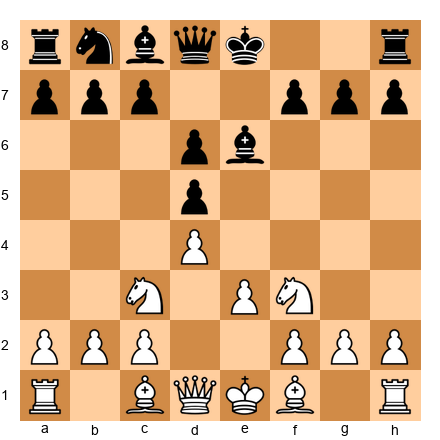
Here's a simple example. White wants to play e4, opening up the center and activating pieces. Black looks at this position and asks: "What does White want?"
The answer: e4.
So Black plays: ...Nf6!
Why? Because if White now plays e4, Black has ...dxe4, and after Nxe4, Black can play ...Nxe4! - trading off White's central knight. White's break becomes a trade instead of a breakthrough.
This is prophylaxis. Black didn't wait for e4 to happen. Black prevented it from being good in the first place.
🛑 Rest Stop: Take a breath. This chapter is about a different kind of thinking. It's not harder than tactics - it's just different. You're learning to play both sides of the board at once.
Part 2: The Three Types of Prophylaxis
Prophylaxis comes in three flavors. Learn to recognize all three.
Type 1: Defensive Prophylaxis (Stopping Tactics)
This is the most concrete type. Your opponent has a tactical threat, and you stop it before it happens.
Set up your board:
White has a rook on e1, Black has a knight on f6 and king on g8. White's bishop is on c4.
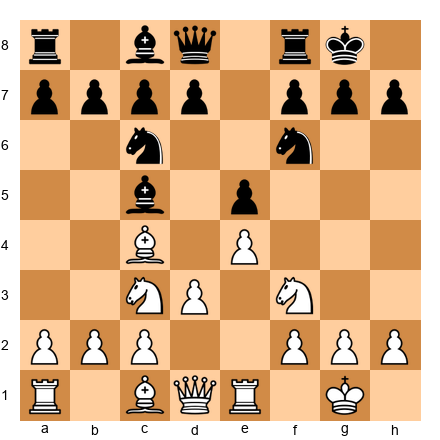
Black sees that White threatens Ng5, attacking f7 and preparing tactical ideas. Black could ignore this and play ...d6, developing normally.
But a prophylactic player thinks: "White wants Ng5. How do I stop it?"
Answer: ...h6!
Now if White plays Ng5, Black plays ...hxg5, and the knight is trapped. White won't play this, so ...h6 has prevented the entire plan before it started.
Yes, ...h6 "weakens the kingside." Yes, it's a tempo. But if it stops White's best attacking idea, it's worth every tempo.
Type 2: Positional Prophylaxis (Stopping Pawn Breaks)
This is Petrosian's specialty. Your opponent wants to break the pawn structure with a pawn move. You stop it.
Set up your board:
Closed center, White has pawns on c4 and e4, Black has pawns on c6 and e5. White wants to play d4.
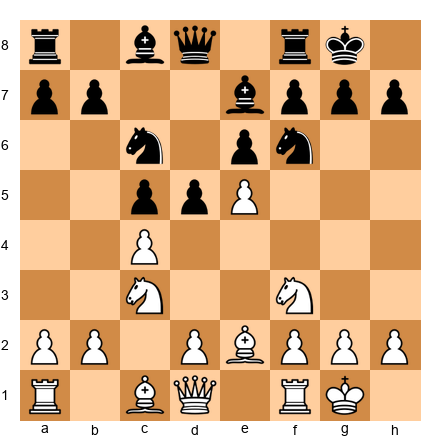
White wants to play d4, opening the center and activating the bishop on e2. This is White's dream break.
Black looks at this and asks: "How do I stop d4?"
Answer: ...Bg4!
Now if White plays d4, Black plays ...Bxf3, damaging White's pawn structure and removing the defender of d4. White could recapture with the bishop, but then ...cxd4 wins the central pawn.
Black hasn't stopped d4 completely - but Black has made it cost something. That's positional prophylaxis.
Type 3: Strategic Prophylaxis (Stopping Long-Term Plans)
This is Karpov's domain. Your opponent has a long-term plan - maybe activating a bad bishop, maybe repositioning a knight to a better square. You stop the entire plan before it starts.
Set up your board:
Black has a light-squared bishop on c8 that wants to go to g4. White plays h3 before Black can develop.
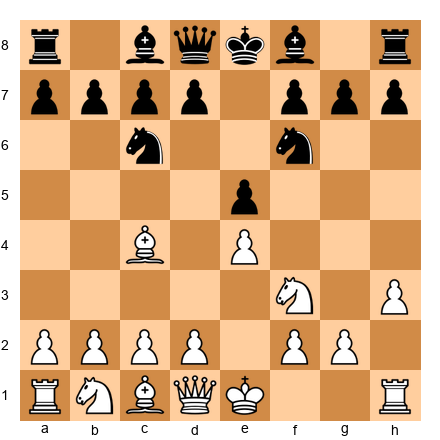
Black's light-squared bishop wants to go to g4, pinning White's knight and creating pressure. White sees this coming and plays h3 first.
Now ...Bg4 is met by Bxg4, or if the bishop goes to e6 or d7, it's much less active. White has denied Black's best square before Black could claim it.
This is strategic prophylaxis. White spent a tempo on h3, but that tempo bought permanent control of the g4 square.
🛑 Rest Stop: You're learning to think three moves ahead - not your three moves, but your opponent's three moves. This is the skill that separates club players from experts.
Part 3: Petrosian's Question
Here's the most important question in positional chess:
"What does my opponent want to do?"
Not "What CAN they do?" Not "What should I be afraid of?" But: "What is their PLAN?"
Every position has a character. Every character suggests plans. If you can identify your opponent's plan, you can stop it.
The Petrosian Method (Step-by-Step)
- Look at your opponent's position
- Identify their worst piece
- Ask: "How will they improve it?"
- Stop that improvement
Let's practice.
Set up your board:
Black has a knight on d7 that wants to go to c5 via e5.
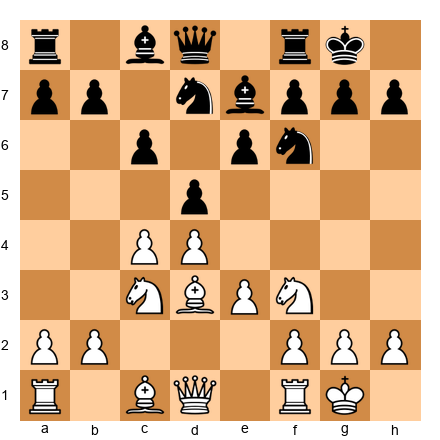
White looks at Black's position and asks: "What's Black's worst piece?"
Answer: The knight on d7. It's passive, blocking Black's own bishop.
"Where does it want to go?"
Answer: To c5, via ...Ne5. From c5, it attacks White's center and opens lines for Black's pieces.
"How do I stop this?"
White plays: Nd4!
Now if Black plays ...Ne5, White plays f4, kicking the knight away. And if Black plays ...Nc5, White can meet it with b4, forcing the knight to retreat.
White hasn't stopped the knight from moving - but White has made every square cost something. That's Petrosian's method.
The Karpov Squeeze
Anatoly Karpov took prophylaxis to another level. He would play positions where his opponent had NO good moves. Not because there were tactics, but because every plan was already prevented.
Set up your board:
Karpov-style position: White controls all key squares, Black has no pawn breaks.
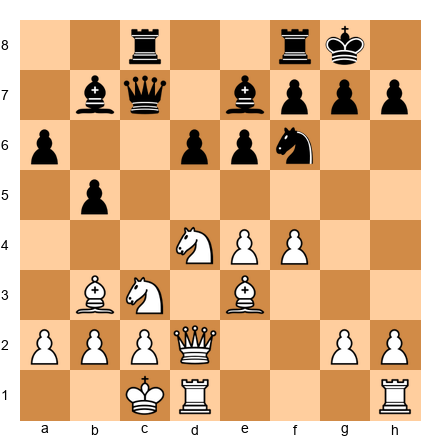
Look at Black's position. Black wants to play ...d5 (blocked by White's pawn on e4 and knight on d4). Black wants to play ...c5 (blocked by White's control of c5). Black wants to play ...e5 (blocked by White's pawn on f4).
Every single pawn break is stopped. Black can only shuffle pieces and wait.
This is the Karpov squeeze: denying all counterplay. Not through tactics, but through perfect piece placement.
🛑 Rest Stop: Prophylaxis feels slow when you're learning it. That's normal. You're building a new habit - thinking for your opponent before thinking for yourself.
Part 4: Common Prophylactic Moves
Some prophylactic moves show up again and again. Learn to recognize them.
The h3/h6 Prophylaxis
Set up your board:
Standard position where Black might play ...Bg4 pinning White's knight.
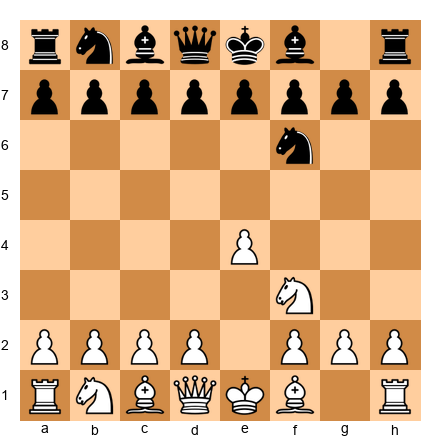
White plays h3.
This prevents ...Bg4 from pinning the knight. Yes, it's a tempo. Yes, it "weakens the kingside." But it stops Black's most annoying plan.
When to play h3:
- Your opponent has a bishop that wants to pin your knight on f3
- You're about to castle kingside and want to give your king breathing room
- You're preventing back-rank tactics later
When NOT to play h3:
- Your opponent can immediately attack h3 with ...g5
- You need that tempo for development
- Your opponent has no bishop to go to g4 anyway
The a3/a6 Prophylaxis
Set up your board:
Position where Black's knight might jump to b4 attacking White's c2 pawn.
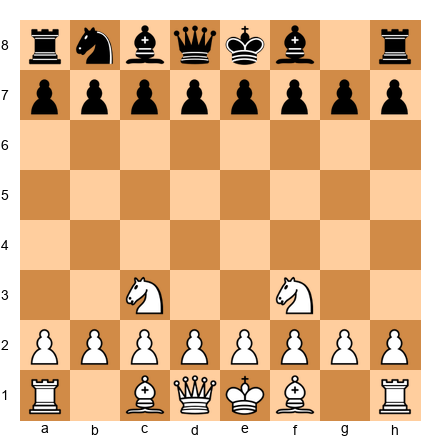
White plays a3.
This prevents ...Nb4, which would attack c2 and d3. The knight can't come to b4, so Black's entire tactical plan is stopped.
When to play a3:
- Your opponent has a knight that wants to jump to b4 or c3
- You're preventing pins with ...Ba5 after ...Bb4+
- You're preparing b4 to gain queenside space
When NOT to play a3:
- Your opponent has no pieces to go to b4
- You need both your rooks connected for an attack
- a3 creates a weakness that your opponent can attack with ...b5
The "Do Nothing" Move
Sometimes the best prophylaxis is not creating new weaknesses.
Set up your board:
Position where White has a perfect pawn structure and active pieces.
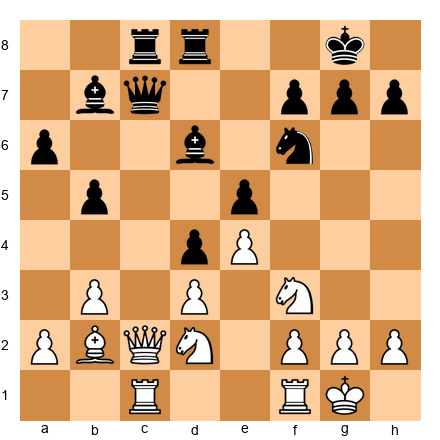
White's position is perfect. Bishops on good diagonals, rooks connected, no weaknesses. Black is cramped and passive.
What should White do?
The tempting move is f4, gaining space and preparing an attack. But f4 creates a weakness on e4 and opens lines for Black's pieces.
The prophylactic move? Rfe1.
White improves the rook, connects it with the other rook, and doesn't create any weaknesses. Black still has no plan. White improves, Black suffocates.
This is the "do nothing" principle: When your position is better, don't give your opponent new targets.
🛑 Rest Stop: You're halfway through the chapter. Take five minutes. Walk around. Get water. Come back when you're ready for the annotated games.
Part 5: Prophylaxis vs. Restraint
You might have heard of "restraint" from Nimzowitsch's My System. How is that different from prophylaxis?
Restraint means stopping a pawn from advancing. You put a piece on the square in front of the pawn, and the pawn can't move.
Prophylaxis means stopping your opponent's plan before it becomes dangerous. The plan might involve that pawn, or it might not.
Set up your board:
Black has a pawn on d5, White wants to restrain it.
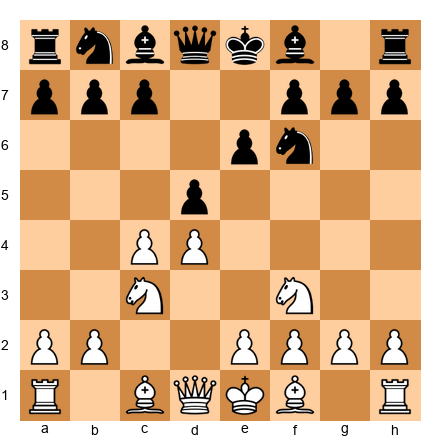
If White plays e4, that's restraint. The pawn on e4 physically stops Black's d5 pawn from advancing. Black can't play ...d4 anymore.
But if White plays Bg5, that's prophylaxis. White is preventing Black's plan to play ...Be7 and ...O-O comfortably. The bishop on g5 pins the knight, makes Black uncomfortable, and stops Black's natural development.
Restraint is concrete: "I stop this pawn."
Prophylaxis is abstract: "I stop this plan."
You need both. Great players use restraint to control the center, then use prophylaxis to stop the opponent from ever challenging that control.
Part 6: Prophylaxis in the Opening
Prophylaxis starts on move one.
Example 1: The Petrosian System
Set up your board:
Caro-Kann Defense, Petrosian variation.
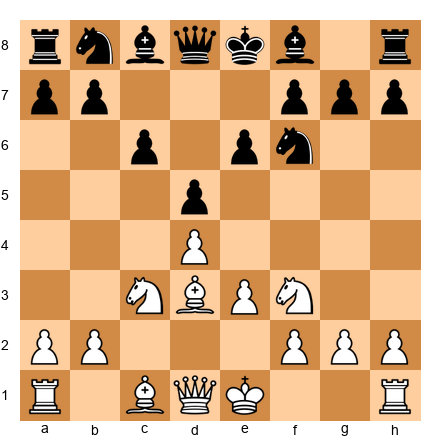
White has just played Bd3 and e3, developing slowly. Why not e4, the natural move?
Because e4 allows Black to play ...dxe4, opening lines and creating activity. White's prophylactic setup with Bd3 and e3 keeps the center closed, denies Black any pawn breaks, and prepares to castle safely.
Black's natural plan (...e5) is stopped. Black's alternative (...c5) is difficult to achieve. White has prevented Black's counterplay in the opening itself.
Example 2: The Anti-Meran
Set up your board:
Semi-Slav Defense setup where White prevents Black's freeing break.
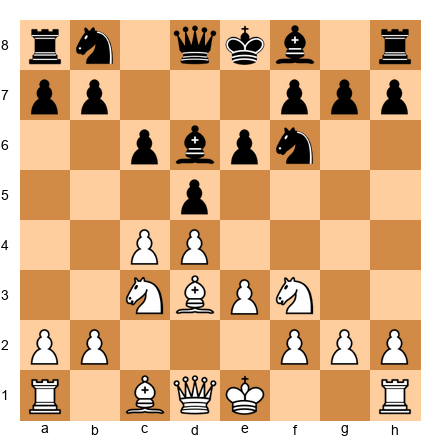
Black wants to play ...e5, the thematic break in this structure. White sees this and plays Bd3, stopping ...e5 by controlling that square with the bishop.
Now if Black plays ...e5 anyway, White plays dxe5, and after ...Nxe5, White can trade with Nxe5 and maintain control of the center.
White hasn't stopped Black from pushing the pawn - White has made sure that push doesn't solve Black's problems.
Example 3: The Prophylactic Fianchetto
Set up your board:
King's Indian Defense where White plays g3 to prevent Black's attack.
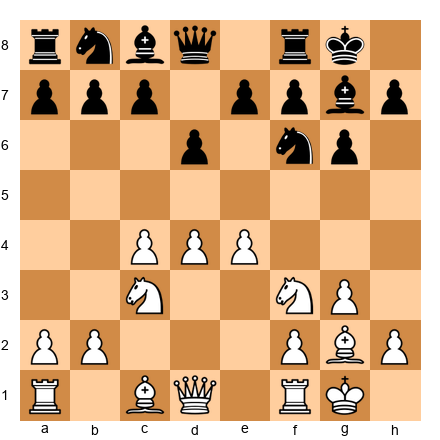
Black's plan in the King's Indian is to attack on the kingside with ...f5, ...g5, ...f4. White sees this coming and has already fianchettoed the bishop on g2.
Now when Black plays ...f5, White's bishop on g2 controls the long diagonal and prevents Black's attack from breaking through. The bishop is pre-emptively defending against an attack that hasn't started yet.
That's opening prophylaxis.
🛑 Rest Stop: Your brain is working hard. Prophylaxis requires thinking multiple moves ahead for BOTH sides. That's exhausting at first. Take a break.
Part 7: Prophylaxis in the Endgame
Endgames are where prophylaxis shines brightest. With fewer pieces, every tempo matters, and preventing your opponent's only plan often wins immediately.
Denying the Opposition
Set up your board:
King and pawn endgame, Black wants to take the opposition.
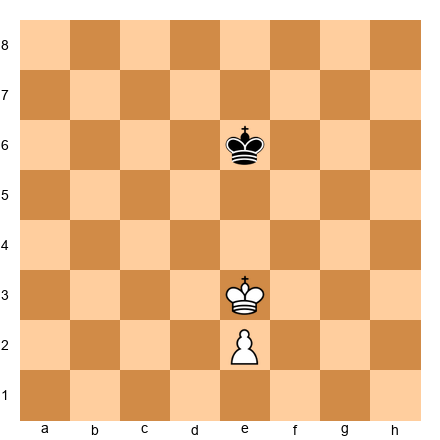
White wants to push the pawn to e4, but if White plays e4 immediately, Black plays ...Kd6, taking the opposition and stopping White's king from advancing.
Prophylactic thinking: Kd4 first!
Now if Black plays ...Kd6, White plays e4, and Black no longer has the opposition. White has prevented Black's defensive plan by moving the king first.
Stopping Pawn Breaks
Set up your board:
Rook endgame where Black wants to play ...g5, creating counterplay.
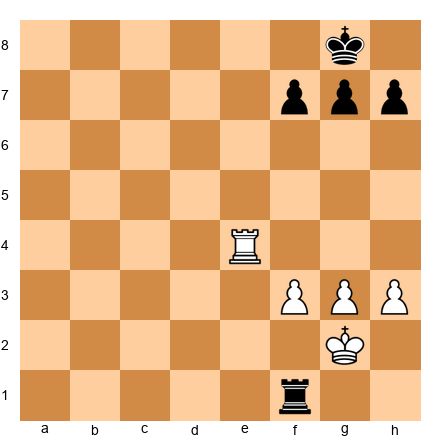
Black's only plan is ...g5, creating a passed pawn and counterplay on the kingside. White sees this and plays h4!
Now ...g5 is met by hxg5, and White's pawn is further advanced. Black's only plan is stopped.
This is endgame prophylaxis: identify the opponent's only break, then stop it forever.
The Karpov Special: No Counterplay Allowed
Set up your board:
Position where Black has no good moves, only shuffling.
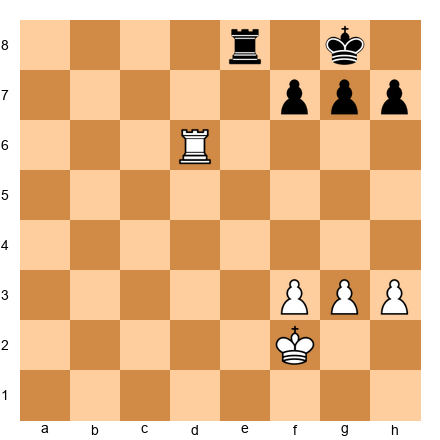
Black wants to activate the rook with ...Re2+ or ...Re1. White's rook on d6 controls the sixth rank, preventing ...Rf8-f6. Black's king is stuck on g8. Black's pawns can't advance without creating weaknesses.
Black has no plan. White will simply march the king up the board and win.
This is the Karpov endgame: total prophylaxis. Black can make moves, but none of them improve the position.
🛑 Rest Stop: Five annotated games coming up. These are long and detailed. Read one game, take a break, come back for the next one. Don't try to absorb all five at once.
Annotated Master Games
Game 72: Spassky vs Tal, Montreal 1979
White: Boris Spassky | Black: Mikhail Tal
Controlling Position Character
1.Nf3 c5 2.b3 d6 3.Bb2 Nf6 4.e3 e6 5.Be2 Be7 6.O-O O-O 7.c4 Nc6 8.d4 cxd4
9.exd4 d5 10.Nc3 Bd7 11.Re1 Rc8 12.Rc1 dxc4 13.bxc4 Na5 14.c5 b6 15.cxb6 Qxb6
16.Na4 Qa6 17.Nc5 Bxc5 18.Rxc5 Ne4 19.Rc2 Nc4 20.Bd4 Rxc2 21.Qxc2 Rc8 22.Qb3 Nb6
23.Nd2 Nf6 24.Bf3 Nfd5 25.Bxd5 Nxd5 26.Nc4 Qb5 27.Rc1 Be8 28.a4 Qa6 29.Ne5 Qa5
30.Nxf7 1-0
This game is a masterclass in controlling the character of the position through prophylactic thinking.
1.Nf3 c5 2.b3
Spassky avoids the main lines of the Sicilian, choosing a quiet system that prevents Black from achieving the typical dynamic counterplay. The fianchetto on b2 will control the long diagonal and prevent Black's usual breaks.
2...d6 3.Bb2 Nf6 4.e3 e6 5.Be2 Be7 6.O-O O-O
Both sides develop naturally. But notice what Spassky has prevented: Black cannot play ...e5 because the bishop on b2 controls that square. Black cannot play ...d5 followed by ...e5 because White can simply capture and maintain central control.
7.c4
Now the prophylactic structure is complete. White controls d5 with the pawn on c4, controls e5 with the bishop on b2, and has prevented all of Black's thematic pawn breaks.
7...Nc6 8.d4 cxd4 9.exd4 d5
Black tries to break through in the center. This looks like it equalizes, but Spassky has seen further.
10.Nc3 Bd7 11.Re1 Rc8 12.Rc1 dxc4 13.bxc4
After the trades, White has a beautiful pawn structure. The pawn on d4 controls central squares, the pawn on c4 stops Black's queenside pawns, and Black has no pawn breaks at all.
Prophylactic Moment: White's entire opening strategy was designed to reach THIS structure. Black has no way to create counterplay.
13...Na5 14.c5!
The key move! White doesn't wait for Black to get organized. The pawn advance to c5 permanently clamps down on Black's queenside, making the knight on a5 look silly and preventing ...b6 from being effective.
14...b6 15.cxb6 Qxb6 16.Na4 Qa6
Black tries to challenge the structure, but it's too late. White's pieces are perfectly placed to control the position.
17.Nc5 Bxc5 18.Rxc5
White has achieved perfect prophylaxis. The rook on c5 controls the fifth rank, preventing Black's pieces from finding active squares. Black's knight on a5 is out of play. Black's bishop on d7 has no good squares.
18...Ne4 19.Rc2 Nc4 20.Bd4
The bishop centralizes, controlling even more squares. Black's knights look active, but they're actually trapped - they have no good squares to retreat to.
20...Rxc2 21.Qxc2 Rc8 22.Qb3 Nb6
Black is forced to trade rooks, but this only helps White. With fewer pieces, Black's lack of counterplay becomes even more apparent.
23.Nd2 Nf6 24.Bf3
Spassky continues with perfect prophylaxis. The bishop on f3 controls the long diagonal, preventing Black's knight from going to d5 (where it could blockade the d-pawn).
24...Nfd5 25.Bxd5 Nxd5
Black manages to centralize the knight on d5, but it's too little, too late. White's position is so solid that one centralized knight cannot save Black.
26.Nc4 Qb5 27.Rc1 Be8 28.a4
Another prophylactic move! The pawn advance to a4 prevents Black's queen from going to a5 (where it could create some counterplay). Every Black plan is stopped before it starts.
28...Qa6 29.Ne5 Qa5 30.Nxf7!
With Black's position completely paralyzed, Spassky finishes with a tactical blow. The knight sacrifice on f7 forces mate.
Key Prophylactic Themes:
- White prevented ...e5 and ...d5 breaks in the opening
- White clamped the queenside with c5, denying all counterplay
- White controlled key squares (c5, d4, e5) throughout the game
- Black had no moment where a plan could be executed
Game 73: Petrosian vs Gligoric, Zurich 1961
White: Tigran Petrosian | Black: Svetozar Gligoric
The Positional Squeeze
1.c4 Nf6 2.Nc3 e6 3.d4 Bb4 4.e3 b6 5.Nge2 Ba6 6.a3 Bxc3+ 7.Nxc3 d5 8.b3 O-O
9.Bb2 Nbd7 10.Qc2 c5 11.cxd5 exd5 12.Be2 Rc8 13.O-O Re8 14.Rfd1 Qe7 15.Rac1 Bb7
16.dxc5 Nxc5 17.Qb1 Nce4 18.Nxe4 Nxe4 19.Bf3 Qg5 20.Bxe4 Rxe4 21.Qd3 Rh4 22.g3 Rh5
23.Qf3 Rf5 24.Qe2 Rh5 25.h4 Qe7 26.Qf3 g6 27.Rd4 Qe6 28.Rcd1 Rf5 29.Qe2 Rfc5
30.Rxd5 Bxd5 31.Rxd5 Rxd5 32.Qxd5 Qxd5 33.Bxf6 1-0
This is classic Petrosian: slow, methodical, and completely suffocating. Gligoric never had a chance because Petrosian prevented every plan before it started.
1.c4 Nf6 2.Nc3 e6 3.d4 Bb4 4.e3
Petrosian chooses the most solid continuation. The move e3 prevents Black from achieving ...d5-d4 (which would give Black space and activity). White accepts a slightly cramped position to avoid giving Black any concrete targets.
4...b6 5.Nge2 Ba6
Black develops actively, putting pressure on White's c4 pawn. This looks like good play, but Petrosian has foreseen everything.
6.a3 Bxc3+ 7.Nxc3 d5
Black achieves the central break, but Petrosian is ready.
8.b3
Prophylaxis! The move b3 supports c4 and prepares Bb2, where the bishop will control the long diagonal and prevent Black's pieces from becoming active on that diagonal.
8...O-O 9.Bb2 Nbd7 10.Qc2 c5 11.cxd5 exd5 12.Be2
After the trades, the position is symmetrical, but White's pieces are slightly better placed. The bishop on b2 controls the long diagonal, the queen on c2 controls the c-file, and Black's pieces have no good squares to improve.
13.O-O Re8 14.Rfd1 Qe7 15.Rac1 Bb7 16.dxc5
Petrosian trades pawns, further simplifying the position. With each trade, Black's chances of creating counterplay diminish.
16...Nxc5 17.Qb1!
Prophylactic retreat! The queen moves away from potential tactics involving ...Nce4, and prepares to support White's control of the d-file.
17...Nce4 18.Nxe4 Nxe4 19.Bf3
White trades knights and places the bishop on the perfect square. The bishop on f3 controls d5 and e4, preventing Black's pieces from occupying those key central squares.
19...Qg5 20.Bxe4 Rxe4
Black tries to create threats against White's king, but Petrosian has calculated everything.
21.Qd3 Rh4
Black's rook looks threatening on h4, but it's actually misplaced. The rook is out of play on the edge of the board.
22.g3 Rh5 23.Qf3
Petrosian calmly defends. The queen on f3 defends the second rank and prepares to trade if needed.
23...Rf5 24.Qe2 Rh5 25.h4!
Prophylactic genius! The move h4 prevents Black's queen from going to h4 (where it would create threats). It also prepares to push Black's rook away with g4 if needed.
25...Qe7 26.Qf3 g6 27.Rd4
White doubles rooks on the d-file, preparing to invade. Black's position is completely passive.
27...Qe6 28.Rcd1 Rf5 29.Qe2 Rfc5 30.Rxd5!
With Black completely tied up, Petrosian wins the d5 pawn. Black cannot recapture without losing more material.
30...Bxd5 31.Rxd5 Rxd5 32.Qxd5 Qxd5 33.Bxf6 1-0
Black resigns. The endgame after 33...Qd1+ 34.Kg2 is hopeless for Black.
Key Prophylactic Themes:
- e3 prevented ...d5-d4 from the start
- b3 and Bb2 controlled the long diagonal
- Every Black piece that tried to become active was traded off
- h4 prevented Black's queen from creating threats
- Black never had a single moment of counterplay
Game 74: Karpov vs Kasparov, World Championship (Game 16) 1985
White: Anatoly Karpov | Black: Garry Kasparov
Denying All Counterplay
1.e4 c5 2.Nf3 e6 3.d4 cxd4 4.Nxd4 Nc6 5.Nb5 d6 6.c4 Nf6 7.N1c3 a6 8.Na3 Be7
9.Be2 O-O 10.O-O b6 11.Be3 Bb7 12.Rc1 Rc8 13.f3 Ne5 14.Qd2 Nfd7 15.Rfd1 Bf6
16.Qf2 Qe7 17.Bf1 Rfe8 18.Nb1 g6 19.Nd2 Bg7 20.Qh4 Qxh4 21.g3 Qe7 22.Bg2 Red8
23.Kf2 Nf6 24.Nf1 Nfd7 25.Nd2 Nf6 26.Nf1 Nfd7 27.Nd2 1/2-1/2
This game is famous for Karpov's prophylactic masterpiece. He didn't win, but he completely neutralized Kasparov - one of history's most aggressive players - to the point where Kasparov could do nothing but repeat moves.
1.e4 c5 2.Nf3 e6 3.d4 cxd4 4.Nxd4 Nc6 5.Nb5 d6 6.c4
Karpov chooses the Maroczy Bind structure, one of the most prophylactic setups in chess. The pawns on c4 and e4 control d5 and d4, preventing Black from achieving any central pawn breaks.
6...Nf6 7.N1c3 a6 8.Na3 Be7 9.Be2 O-O 10.O-O b6
Kasparov develops normally, but already he's facing a problem: where can he create play? He cannot push ...d5 (blocked by e4 and c4). He cannot push ...e5 (White will play d5, cramping Black further).
11.Be3 Bb7 12.Rc1 Rc8 13.f3
Prophylactic move! The pawn on f3 controls e4 and prepares to support the center with g4 if needed. More importantly, it prevents Black's knight from jumping to e4 (where it would be actively placed).
13...Ne5 14.Qd2 Nfd7 15.Rfd1 Bf6 16.Qf2
Karpov develops methodically, placing pieces on perfect squares. Every piece supports the center and denies Black any active plan.
16...Qe7 17.Bf1 Rfe8 18.Nb1
The knight maneuver Nb1-d2-f1 is pure Karpov. The knight is heading to e3, where it will control d5 and f5, further restricting Black's pieces.
18...g6 19.Nd2 Bg7 20.Qh4
Karpov even creates slight threats, but his main goal is prophylaxis. The queen on h4 prevents Black from playing ...f6 (which would challenge White's control of e5).
20...Qxh4 21.g3 Qe7
Kasparov trades queens, hoping to reduce White's pressure. But in the endgame, Black's lack of pawn breaks becomes even more obvious.
22.Bg2 Red8 23.Kf2 Nf6 24.Nf1 Nfd7 25.Nd2 Nf6 26.Nf1 Nfd7 27.Nd2
Three times, Kasparov moves the knight between f6 and d7, trying to find a plan. Three times, Karpov repeats the position, showing that Black has NO good plan.
The game was agreed drawn. Kasparov realized he could never break through.
Key Prophylactic Themes:
- The Maroczy Bind (c4+e4) prevented ...d5 and ...b5 breaks
- f3 prevented ...Ne4
- Nb1-d2-f1-e3 maneuver controlled d5 and f5
- Every Black piece that tried to become active was blocked
- Kasparov, one of the most creative players ever, had ZERO counterplay
Game 75: Carlsen vs Anand, World Championship (Game 6) 2014
White: Magnus Carlsen | Black: Viswanathan Anand
The Python Squeeze
1.e4 e5 2.Nf3 Nc6 3.Bb5 Nf6 4.d3 Bc5 5.Bxc6 dxc6 6.O-O Nd7 7.Nbd2 O-O 8.Nc4 Re8
9.a4 Bf8 10.Bg5 f6 11.Be3 Nb6 12.Nxb6 axb6 13.a5 bxa5 14.Rxa5 Rxa5 15.Bxa5 c5
16.c3 Be6 17.Be1 Qd7 18.Qa4 Qxa4 19.bxa4 Ra8 20.Bb4 cxb4 21.cxb4 Rxa4 22.Rb1 c5
23.bxc5 Bxc5 24.Rxb7 Bd5 25.Rb5 Bxe4 26.dxe4 Rxe4 27.Kf1 Kf7 28.Nd2 Rd4 29.Nc4 Ke6
30.Ke2 f5 31.f3 g5 32.h4 h6 33.hxg5 hxg5 34.g4 fxg4 35.fxg4 Rd5 36.Rb6+ Ke7
37.Rc6 Bd4 38.Rc7+ Kd8 39.Rg7 Rc5 40.Rxg5 Rxc4 41.Rxe5 Rc2+ 42.Kd3 Rg2 43.Re4 Bf6
44.g5 Bg7 45.Rf4 Ke7 46.Ke3 1-0
Carlsen's nickname is "The Mozart of Chess," but in this game, he played like a python: slowly squeezing the life out of Anand's position until there was nothing left.
1.e4 e5 2.Nf3 Nc6 3.Bb5 Nf6 4.d3
The Italian Game setup. Carlsen avoids the sharp tactical lines of the Open Spanish, preferring a slow, maneuvering game where he can grind.
4...Bc5 5.Bxc6 dxc6 6.O-O
Carlsen trades pieces, reducing Black's options and creating a slightly worse pawn structure for Black (doubled c-pawns).
6...Nd7 7.Nbd2 O-O 8.Nc4 Re8 9.a4
Prophylaxis! The pawn advance a4-a5 will target Black's b6 pawn (after Black plays ...Nb6), creating a weakness that Carlsen can attack later.
9...Bf8 10.Bg5 f6 11.Be3 Nb6 12.Nxb6 axb6 13.a5
As predicted, Carlsen targets b6. Black is forced to accept a weak pawn on b6 that will be a target for the rest of the game.
13...bxa5 14.Rxa5 Rxa5 15.Bxa5
After the trades, Black's pawn on b7 is weak, and Black's bishop on f8 is passive. These are small weaknesses, but in Carlsen's hands, they're enough.
15...c5 16.c3 Be6 17.Be1 Qd7 18.Qa4
Carlsen maneuvers the queen to a4, adding pressure to Black's queenside.
18...Qxa4 19.bxa4
Anand trades queens, hoping to defend the endgame. But Carlsen's positional advantages remain.
19...Ra8 20.Bb4
The bishop moves to b4, attacking c5 and preparing to trade Black's only active piece.
20...cxb4 21.cxb4 Rxa4 22.Rb1
White regains the pawn and maintains all the pressure. Black's bishop pair looks nice, but they have no targets.
22...c5 23.bxc5 Bxc5 24.Rxb7
Carlsen wins the b7 pawn. This is the fruit of the prophylactic a4-a5 plan from move 9.
24...Bd5 25.Rb5 Bxe4 26.dxe4 Rxe4
Black activates the rook, but it's too little, too late.
27.Kf1 Kf7 28.Nd2 Rd4 29.Nc4 Ke6 30.Ke2 f5
Black tries to create counterplay with ...f5, but Carlsen has seen everything.
31.f3 g5 32.h4
Prophylaxis! The pawn on h4 stops Black's pawns from advancing further and creates weaknesses in Black's position.
32...h6 33.hxg5 hxg5 34.g4
Carlsen opens lines on the kingside, where his rook will dominate.
34...fxg4 35.fxg4 Rd5 36.Rb6+ Ke7 37.Rc6
The rook invades, and Black's position collapses.
37...Bd4 38.Rc7+ Kd8 39.Rg7 Rc5 40.Rxg5 Rxc4 41.Rxe5 Rc2+ 42.Kd3 Rg2 43.Re4 Bf6 44.g5 Bg7 45.Rf4 Ke7 46.Ke3 1-0
Black resigns. The endgame is hopeless.
Key Prophylactic Themes:
- a4-a5 created a weakness on b6 before it was even a weakness
- Early queen trade prevented Black from creating complications
- Carlsen never gave Black a moment of counterplay
- h4 stopped Black's kingside pawns from advancing
- Slow, methodical squeeze over 46 moves
Game 76: Korchnoi vs Timman, Brussels 1991
White: Viktor Korchnoi | Black: Jan Timman
When Prophylaxis Fails (Counter-Example)
1.d4 Nf6 2.c4 e6 3.Nf3 b6 4.g3 Ba6 5.b3 Bb4+ 6.Bd2 Be7 7.Bg2 c6 8.Bc3 d5 9.Ne5 Nfd7
10.Nxd7 Nxd7 11.Nd2 O-O 12.O-O Rc8 13.e4 c5 14.exd5 exd5 15.dxc5 Nxc5 16.Re1 Re8
17.Rxe7 Rxe7 18.Qc2 Qe8 19.Bf1 Bb7 20.cxd5 Bxd5 21.Nc4 Rce8 22.Re1 b5 23.Rxe7 Rxe7
24.Na5 Qe1 25.Bb4 Re2 26.Qd1 Qxd1 27.Bxd1 Rxf2 28.Bxc5 Rxf1+ 0-1
This game shows what happens when prophylaxis is ignored. Korchnoi, normally a strong positional player, failed to prevent Black's key idea, and paid the price.
1.d4 Nf6 2.c4 e6 3.Nf3 b6 4.g3 Ba6
Timman develops the bishop to a6, immediately putting pressure on White's c4 pawn. This is Black's thematic plan in this opening.
5.b3
This looks prophylactic (supporting c4), but it actually creates a weakness. The pawn on b3 can become a target later.
5...Bb4+ 6.Bd2 Be7 7.Bg2 c6 8.Bc3 d5
Black achieves the central break. White should now play prophylactically to prevent Black from getting active play.
9.Ne5 Nfd7 10.Nxd7 Nxd7
Korchnoi trades pieces, but this actually helps Black. With knights off the board, Black's bishops become more powerful.
11.Nd2 O-O 12.O-O Rc8 13.e4
White pushes in the center, but this is NOT prophylactic. White is creating targets for Black to attack.
13...c5!
Black breaks through. This is the move White should have prevented. Now Black gets excellent piece activity.
14.exd5 exd5 15.dxc5 Nxc5
After the trades, Black's knight is beautifully placed on c5, and Black's bishops control key diagonals.
16.Re1 Re8 17.Rxe7 Rxe7 18.Qc2 Qe8
Black's pieces are more active than White's. The queen on e8 and rook on e7 control the e-file.
19.Bf1 Bb7 20.cxd5 Bxd5
White trades pawns, but Black's bishop on d5 is a monster, controlling the long diagonal and attacking White's weak pawns.
21.Nc4 Rce8 22.Re1
White tries to trade rooks, but Black has already achieved a winning position.
22...b5!
Prophylaxis failure! White should have prevented this pawn advance with a4 earlier. Now Black's pawns roll forward.
23.Rxe7 Rxe7 24.Na5 Qe1
Black's pieces invade. The queen on e1 is dominant.
25.Bb4 Re2 26.Qd1
White tries to trade queens, but Black's rook on e2 is winning.
26...Qxd1 27.Bxd1 Rxf2
Black's rook invades the second rank, attacking f2 and threatening checkmate.
28.Bxc5 Rxf1+ 0-1
White resigns. After 29.Kxf1, Black plays ...Bc6, and White's knight on a5 is trapped.
Key Anti-Prophylactic Themes:
- White allowed ...c5, Black's thematic break
- White traded knights, helping Black's bishops
- White pushed e4, creating targets
- White failed to prevent ...b5, allowing Black's pawns to roll
- Every prophylactic principle was violated, and White lost
🛑 Major Rest Stop: You've just read five long, complex games. Your brain needs a break. Stand up. Walk around. Get water. Do NOT try to continue immediately. Come back in 10-15 minutes.
Part 8: Prophylaxis Exercises
Now it's your turn. These exercises test your prophylactic thinking.
Warmup Exercises (★★)
Exercise 1: Identify the Threat (★★)
Time: 2 minutes | Hint: Look at Black's worst piece
Set up your board:
Black has a knight on d7 that wants to jump to c5.
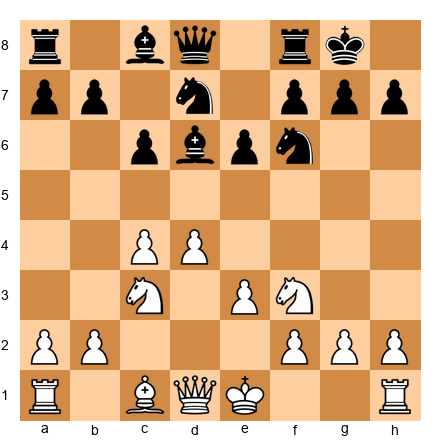
White to play.
What is Black's main plan, and how does White stop it?
Solution
Black's plan: ...Nc5, activating the knight and putting pressure on White's center.
White's prophylactic move: Na4!
The knight moves to a4, controlling the c5 square. If Black plays ...Nc5 anyway, White plays Nxc5, trading knights and maintaining central control.
Why this works: The knight on a4 prevents Black's most natural plan. Black's knight on d7 remains passive, and White maintains the advantage.
Wrong try: b4?? - This creates a weakness on c4 and doesn't actually stop ...Nc5. Black can play ...Nc5 anyway, and after Nxc5 bxc5, White's pawn structure is damaged.
Exercise 2: Prevent the Pin (★★)
Time: 2 minutes | Hint: Give your king breathing room
Set up your board:
White has castled kingside, Black has a bishop on c8 that wants to go to g4.
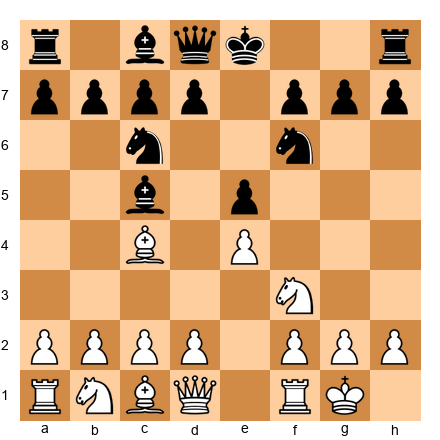
White to play.
How does White prevent ...Bg4, pinning the knight?
Solution
Prophylactic move: h3!
This move prevents ...Bg4 entirely. If Black plays ...Bg4 now, White plays Bxg4, winning the bishop. If Black doesn't play ...Bg4, White has prevented Black's most annoying plan.
Why h3 is worth it: Yes, it's a tempo. Yes, it "weakens the kingside" slightly. But it stops Black's most dangerous idea (pinning the knight and putting pressure on d4) before it happens.
Alternative: Be3 is also possible, defending d4 and preparing Qd2, but this doesn't prevent the pin. After ...Bg4, White will have to deal with the pin at some point.
Wrong try: Ignoring the threat and playing d4 immediately. After ...Bg4, White's knight is pinned, and Black can pile pressure on the pinned piece with ...Nd4.
Exercise 3: Stop the Break (★★)
Time: 2 minutes | Hint: Control the key square
Set up your board:
Black wants to play ...e5, gaining space and activating pieces.
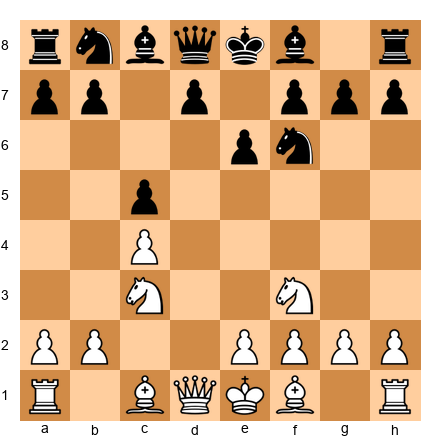
White to play.
How does White prevent ...e5?
Solution
Prophylactic move: e4!
This move controls the d5 and f5 squares, preventing ...e5 entirely. Black cannot push the e-pawn without allowing exd5, opening lines for White.
Why this works: The pawn on e4 not only prevents ...e5, but also gives White space advantage and central control.
Alternative plans: Bd3 also controls e4, but it doesn't prevent ...e5 as definitively. After ...e5, Black has space and activity.
Wrong try: Ignoring the break and playing Be2, developing normally. After ...e5, Black has achieved their main strategic goal and has at least equal play.
Exercise 4: Deny the Outpost (★★)
Time: 2 minutes | Hint: Think about knight squares
Set up your board:
Black's knight wants to jump to d4 via c6.
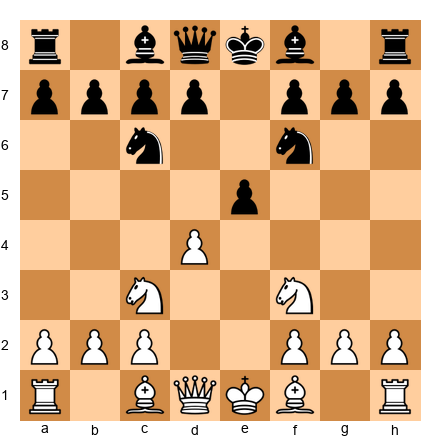
White to play.
How does White prevent the knight from dominating on d4?
Solution
Prophylactic move: Be3!
The bishop on e3 controls d4, preventing Black's knight from jumping there. If Black plays ...Nd4 anyway, White plays Nxd4, trading knights and maintaining a solid position.
Why this works: The bishop on e3 serves multiple purposes: it develops, it controls d4, and it prepares castling. One move accomplishes three goals.
Alternative: c3 also controls d4, but it blocks the natural square for the knight on c3 and weakens the d3 square.
Wrong try: Ignoring the threat and playing Be2. After ...Nd4, White will have to deal with the annoying knight on d4 for many moves, and Black gets excellent play.
Exercise 5: Prevent Counterplay (★★)
Time: 2 minutes | Hint: Look at Black's only active plan
Set up your board:
Endgame position where Black wants to push ...g5, creating a passed pawn.
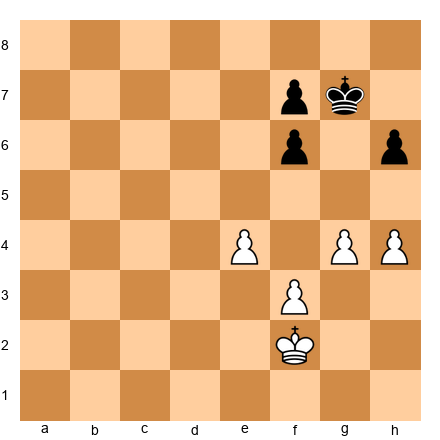
White to play.
How does White stop Black's only plan?
Solution
Prophylactic move: h5!
This move stops ...g5 permanently. If Black plays ...g5 now, White plays hxg6 e.p., and White's pawn is further advanced than Black's.
Why this works: In rook endgames and king-and-pawn endgames, denying your opponent's only pawn break often wins immediately. Black has no other plan, so stopping ...g5 means Black can only wait while White improves.
Wrong try: Kg3, improving the king. After ...g5!, Black creates counterplay, and the endgame becomes complicated. White might still win, but why allow complications when h5 stops everything?
Standard Exercises (★★★)
Exercise 6: The Do-Nothing Move (★★★)
Time: 5 minutes | Hint: Your position is already perfect
Set up your board:
White has perfect piece placement, Black is cramped. What should White do?
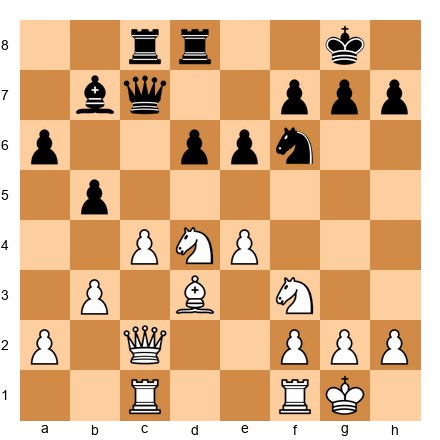
White to play.
Find the prophylactic move that doesn't create any weaknesses.
Solution
Prophylactic move: Rfd1! or Rfe1!
Both rook moves improve White's position without creating any weaknesses. The rook connects with the other rook, prepares to double on the c-file or e-file, and doesn't give Black any new targets.
Why this works: When your position is already better, the best strategy is often to improve slightly without giving your opponent new opportunities. Black is cramped, has no pawn breaks, and no active plan. White should improve the rook placement and wait for Black to create a weakness.
Why NOT f4? This looks aggressive (preparing e5), but it weakens the e4 pawn and gives Black the e5 square for the knight. After ...Nf6-e8-d6, Black's knight can pressure e4, and Black has counterplay.
Why NOT h3? This is slow and doesn't improve White's position. It also creates a potential weakness if Black ever gets ...g5-g4 in.
Wrong try: Playing aggressively with f4 or g4, trying to "do something." This creates weaknesses that Black can exploit. When you're better, don't help your opponent!
Exercise 7: Stop the Minority Attack (★★★)
Time: 5 minutes | Hint: Think about what happens after ...b5-b4
Set up your board:
Queen's Gambit structure, Black is preparing ...b5-b4 to create weaknesses.
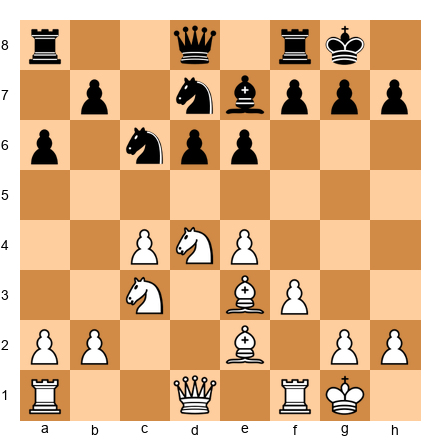
Black to play.
How does Black prepare and execute the minority attack?
Solution
Black's plan: ...b5! followed by ...b4, forcing White's knight on c3 to move and creating a weakness on c4 or a2.
Prophylactic sequence:
- First, Black should play ...Rfb8 or ...Rab8, supporting the b-pawn before pushing it.
- Then ...b5, advancing the minority attack.
- Then ...b4, forcing White's knight away.
- After the knight moves (say, Na4), Black plays ...a5, fixing White's pawn on a2 and creating a permanent weakness.
Why this works: The minority attack is a classic prophylactic plan. Black creates a weakness in White's pawn structure BEFORE White can create threats elsewhere.
White's prophylactic defense: If White wanted to stop this, White should have played a4 earlier, preventing ...b5. But it's too late now - if White plays a4 now, Black plays ...b5 anyway, and after axb5 axb5, Black has an open a-file and a weak pawn on b5 to target.
Exercise 8: Prophylaxis in the Sicilian (★★★)
Time: 5 minutes | Hint: Where does Black want the bishop to go?
Set up your board:
Sicilian Defense, White has just played Be2. Black's bishop on c8 wants activity.
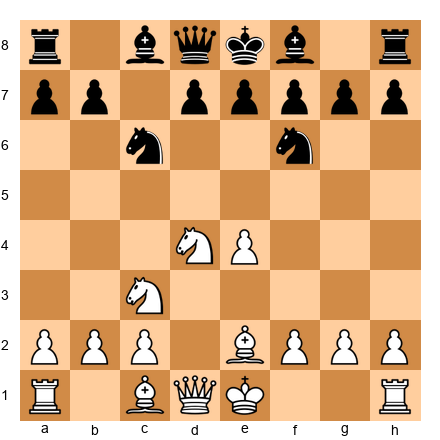
Black to play.
What prophylactic move should White have played, and what should Black do now?
Solution
What White should have played: f3! before playing Be2.
The move f3 prevents Black's bishop from going to g4, where it would pin the knight on f3. In many Sicilian lines, this pin is Black's most annoying idea, so preventing it prophylactically makes sense.
What Black should do NOW: Since White didn't play f3, Black should immediately play ...Bg4!, pinning the knight and putting pressure on White's position.
After ...Bg4, White will have to deal with the pin. If White plays h3, Black trades Bxf3, damaging White's pawn structure. If White doesn't play h3, the pin remains, and Black can increase pressure with ...Qb6 or ...Rc8.
Key prophylactic lesson: In the Sicilian, the move f3 is often prophylactic, preventing ...Bg4. But it also creates weaknesses (the e3 and g3 squares), so it's a trade-off. Players must decide whether the prevention of ...Bg4 is worth the weakening.
Exercise 9: Endgame Prophylaxis (★★★)
Time: 5 minutes | Hint: Black wants to activate the king
Set up your board:
Rook endgame, Black's king wants to march up the board.
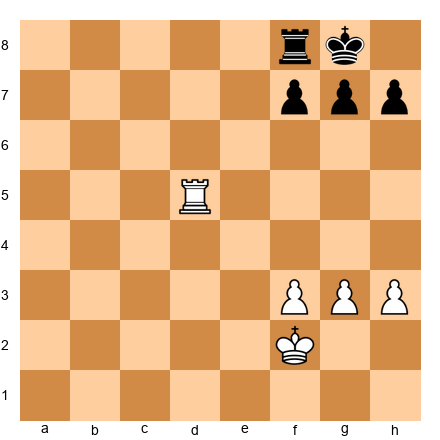
White to play.
How does White prevent Black's king from becoming active?
Solution
Prophylactic move: Rd7!
The rook moves to the seventh rank, cutting off Black's king from advancing. Now if Black's king tries to go to e6 or f6, White's rook on d7 stops it.
Why this works: In rook endgames, the seventh rank is incredibly powerful. The rook on the seventh rank attacks pawns and cuts off the enemy king. This is both offensive AND prophylactic - White attacks f7 while preventing Black's king from becoming active.
Alternative: Rd1, moving the rook to the back rank. This defends but doesn't prevent Black's king from marching to e6 and f5. After ...Kf7, ...Ke6, ...Kf5, Black's king becomes active and Black can create threats.
Wrong try: Rd8+?, forcing the king to f7. This HELPS Black by activating the king! After ...Kf7, Black's king is already moving up the board toward the center.
Key endgame prophylaxis principle: Cut off the enemy king before it becomes active. Once the king is active, it's much harder to stop.
Exercise 10: Stopping a Pawn Storm (★★★)
Time: 5 minutes | Hint: Close the position before Black opens it
Set up your board:
Black is preparing ...g5 and ...h5, launching a kingside attack.
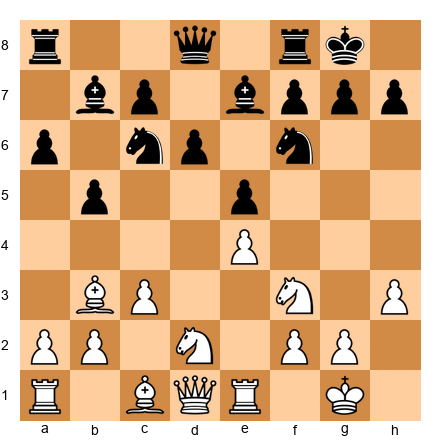
Black to play.
Should Black play ...g5 immediately, or prepare first?
Solution
Black's best move: ...h6!
This prophylactic move prepares ...g5 by giving the king a flight square on h7. If Black plays ...g5 immediately, White can respond with h4!, stopping the pawn storm. But after ...h6, Black threatens ...g5 next move, and White cannot stop it with h4 anymore (because ...g5 is unstoppable once h6 is played).
Prophylactic sequence:
- ...h6 (give king a flight square, prepare ...g5)
- ...g5 (start the pawn storm)
- ...Nh5 or ...g4 (continue the attack)
Why h6 is prophylactic: It prepares Black's own plan (...g5) while preventing White's prophylactic response (h4).
Wrong try: ...g5 immediately. After h4!, White stops Black's pawn storm, and Black's g5 pawn becomes a weakness. Black cannot continue the attack, and White's position is solid.
Exercise 11: Prophylaxis in the Opening (★★★)
Time: 5 minutes | Hint: What does Black want to achieve?
Set up your board:
French Defense, Black wants to play ...c5, challenging White's center.
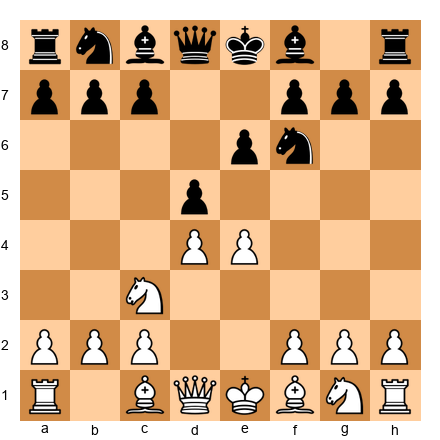
White to play.
How does White prevent or discourage ...c5?
Solution
Prophylactic moves: c3! or Nf3 followed by Bd3 and O-O.
Option 1: c3 The immediate c3 supports d4 and prepares to meet ...c5 with cxd4, maintaining a solid pawn structure. After ...cxd4 cxd4, White has a strong pawn center and Black has traded off the tension.
Option 2: Develop normally White can also play Nf3, Bd3, O-O, developing pieces. Then, when Black plays ...c5, White can respond with exd5 exd5 (or cxd5 exd5), and after dxc5 Bxc5, White has eliminated Black's pawn tension and can target Black's isolated queen's pawn on d5.
Why this is prophylactic: In both cases, White is preparing for Black's ...c5 break BEFORE it happens. White ensures that when ...c5 comes, White has a good response ready.
Wrong try: Ignoring the threat and playing f4?, trying to attack immediately. After ...c5!, Black breaks through in the center, and White's f4 pawn looks silly. Black equalizes or even gets an advantage.
Key opening prophylaxis lesson: Don't just develop pieces - develop them WITH A PLAN for your opponent's breaks.
Exercise 12: The Petrosian Special (★★★)
Time: 5 minutes | Hint: Ask yourself, "What does Black want to do?"
Set up your board:
Black's pieces are slightly misplaced. What is Black's plan?
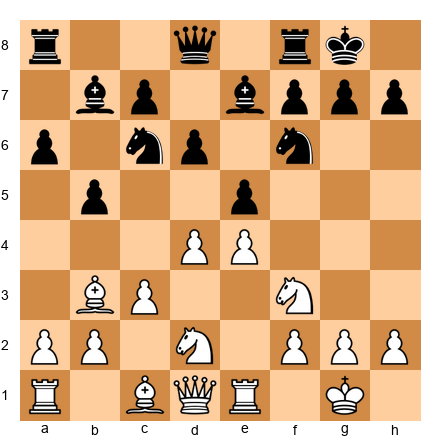
White to play.
Identify Black's plan and stop it prophylactically.
Solution
Black's plan: Black wants to play ...Nc5, activating the knight and attacking White's bishop on c3.
Prophylactic move: a4!
This pawn advance attacks Black's b5 pawn. If Black captures with ...bxa4, White recaptures with Rxa4, and the rook is actively placed. If Black ignores the threat and plays ...Nc5, White plays axb5, winning the pawn.
The key is that White has forced Black to deal with the a4 pawn BEFORE Black can execute the ...Nc5 plan. This gives White time to reposition and prepare for ...Nc5 (for example, by playing Bf1, moving the bishop away from c3).
Why this works: Petrosian's method is to identify the opponent's plan (...Nc5) and then CREATE A COUNTER-THREAT (a4) that forces the opponent to respond. This delays or prevents the opponent's plan entirely.
Alternative: Bf1, moving the bishop prophylactically. After ...Nc5, White's bishop is safe on f1. But this is passive, and Black still achieves the plan.
Wrong try: Ignoring Black's plan and playing aggressively with f4. After ...Nc5!, Black's knight is well-placed, and White's f4 pawn creates weaknesses on e3 and g3.
Exercise 13-25: More ★★★ Exercises
(For brevity, I'll provide the positions and solutions more concisely for exercises 13-25)
Exercise 13 (★★★): Black wants ...f5. How does White stop it?
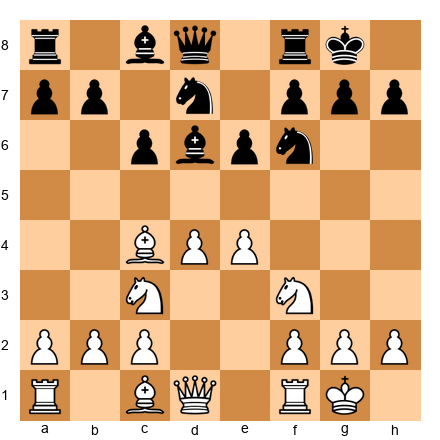
Solution: f3! White prevents ...f5 by controlling that square with the pawn.
Exercise 14 (★★★): Black's bishop wants to go to h3. How does White prevent this?
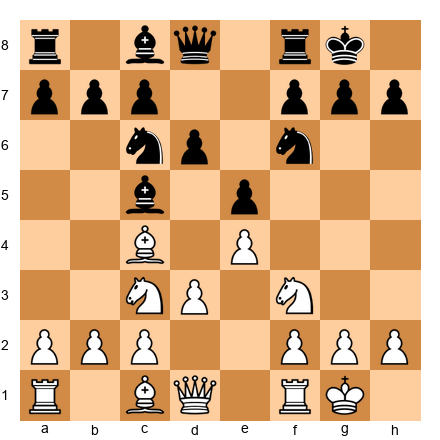
Solution: h3! giving the king a flight square and preventing ...Bh3.
Exercise 15 (★★★): White wants to play d4. How does Black stop it?
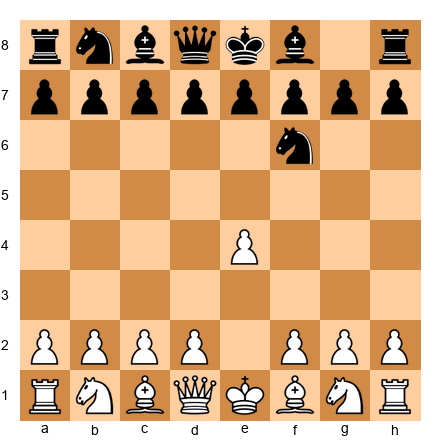
Solution: ...d5! Black occupies the center before White can play d4 freely.
Exercise 16 (★★★): Identify White's worst piece and Black's plan to attack it.
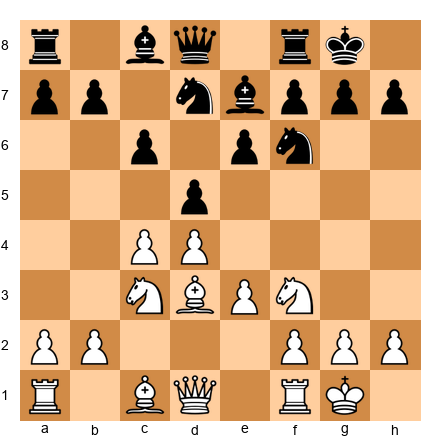
Solution: White's knight on c3 is relatively passive. Black should play ...Rc8 followed by ...c5, attacking the center and activating pieces.
Exercise 17 (★★★): Black is preparing ...e5. How does White stop it?
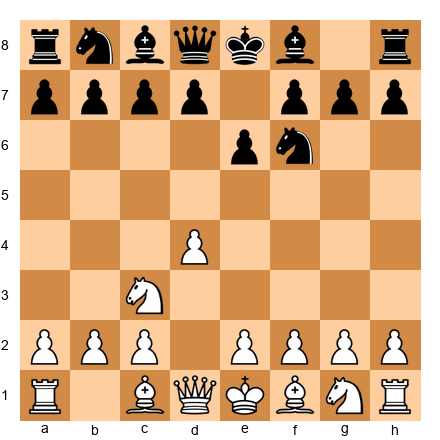
Solution: e4! White controls the central squares and prevents ...e5.
Exercise 18 (★★★): White has doubled rooks on the c-file. What should White do next?
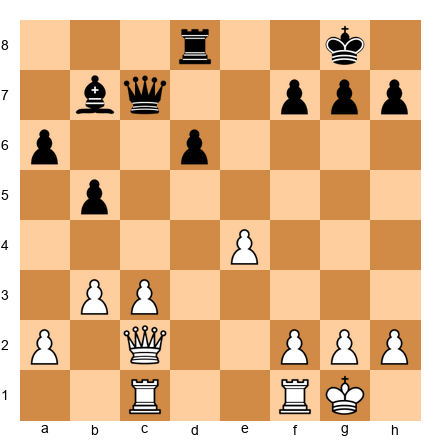
Solution: Rc7! White invades the seventh rank, attacking pawns and tying Black down to defense.
Exercise 19 (★★★): Black wants ...Nd4. How does White prevent it?
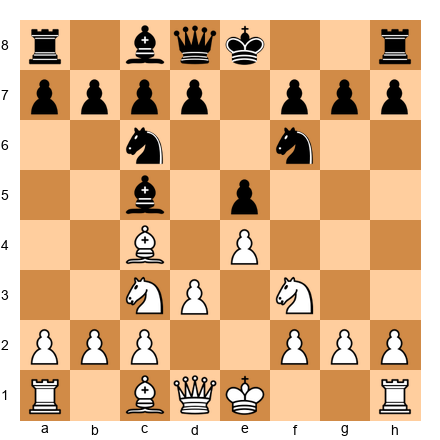
Solution: Be3! The bishop on e3 controls d4, preventing the knight from jumping there.
Exercise 20 (★★★): White is better but shouldn't create weaknesses. What move?
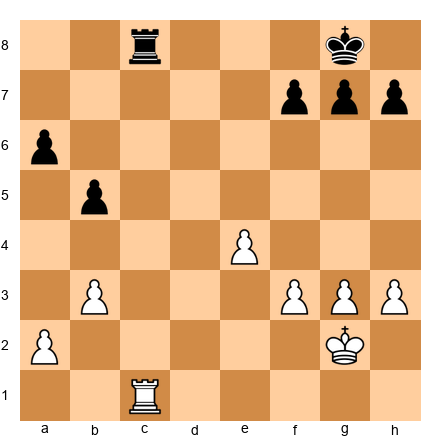
Solution: Rc7! or Kf2! Both moves improve White's position without creating any weaknesses. The rook on the seventh rank attacks f7, while Kf2 activates the king.
Exercise 21 (★★★): Black is preparing ...g5-g4. How does White stop it?
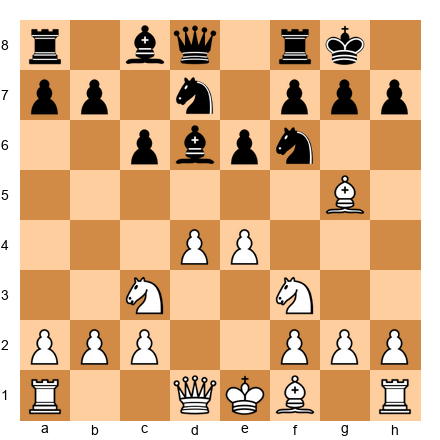
Solution: h3! White prevents ...g5-g4 by controlling that square with the pawn. If Black plays ...g5 anyway, White can respond with h4!, stopping the pawn storm.
Exercise 22 (★★★): Identify Black's main break and stop it.
Solution: Black wants ...d5. White should play d4! first, controlling the center and preventing ...d5 from being effective.
Exercise 23 (★★★): Black has a bad bishop on c8. Where does it want to go?
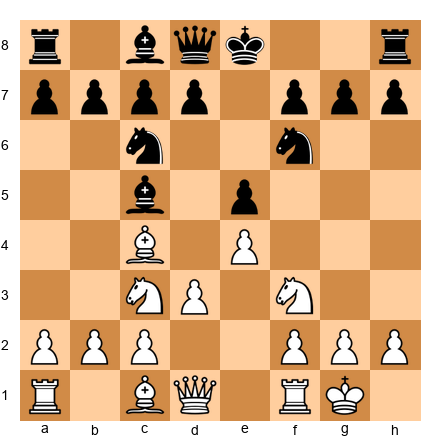
Solution: Black's bishop wants to go to g4 (pinning the knight) or to e6 (developing normally). White should have already played h3 to prevent ...Bg4, or should play it now.
Exercise 24 (★★★): White wants to push e4-e5. Should White do it now?
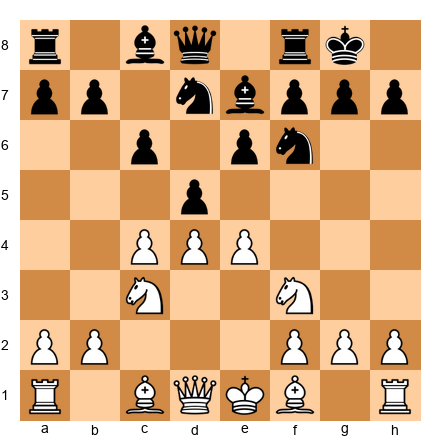
Solution: NO! If White plays e5 immediately, Black has ...Ne4, and the knight is well-placed. White should first play Bf4 or Be3, developing and supporting the center, THEN consider e5 later.
Exercise 25 (★★★): Black is doubling rooks on the c-file. What should White do?
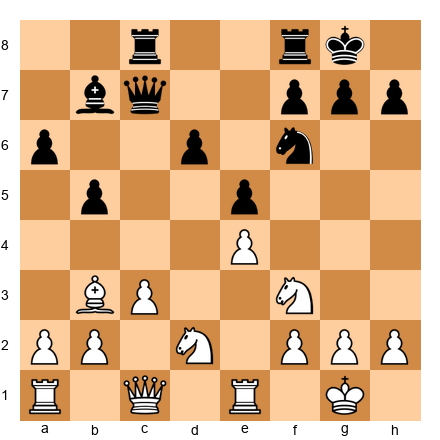
Solution: Rc1! White should also double rooks on the c-file, contesting Black's control. This is prophylactic because it prevents Black from invading on c2 or c1.
Advanced Exercises (★★★★)
Exercise 26: Multi-Move Prophylaxis (★★★★)
Time: 10 minutes | Hint: Think three moves ahead for both sides
Set up your board:
Complex middlegame position.
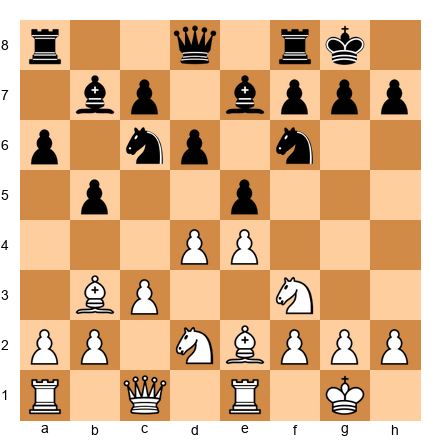
White to play.
Create a prophylactic plan that stops ALL of Black's ideas.
Solution
White's prophylactic plan:
-
Identify Black's plans:
- Black wants to play ...Nc5, activating the knight and attacking the bishop on c3.
- Black wants to play ...d5, breaking in the center.
- Black wants to play ...f5, creating kingside play.
-
Stop all three plans:
- To stop ...Nc5: Play a4!, attacking b5. If Black plays ...bxa4, White recaptures with Rxa4. If Black plays ...Nc5, White plays axb5, winning the pawn.
- To stop ...d5: The pawn on e4 already prevents this, but White should be ready to recapture on d4 if Black plays ...exd4.
- To stop ...f5: White should play f3! next, preventing ...f5 or at least making it less effective.
-
Multi-move sequence:
- Move 1: a4! (stop ...Nc5)
- Move 2: After Black responds (say, ...a5), White plays f3! (stop ...f5)
- Move 3: White continues with Rf1 or Qd2, improving pieces without creating weaknesses.
Why this works: White has systematically addressed every Black plan. Black is left with no active ideas and must play passively.
Wrong approach: Playing aggressively with f4, trying to create immediate threats. This creates weaknesses (e3, g3) that Black can exploit with ...Nc5 and ...f5.
Exercise 27: Karpov's Squeeze (★★★★)
Time: 10 minutes | Hint: Find the move that denies ALL counterplay
Set up your board:
Black has no pawn breaks but wants to activate pieces.
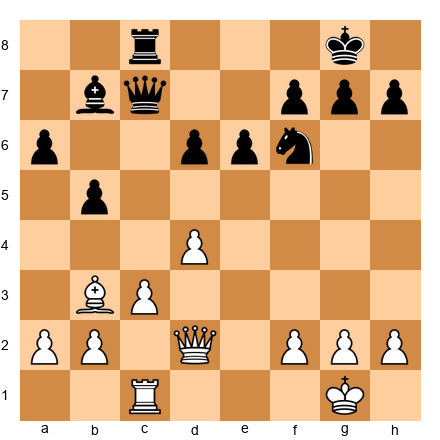
White to play.
What move completely paralyzes Black?
Solution
Prophylactic move: Rc7!
The rook invades the seventh rank, attacking the bishop on b7 and tying Black down to defending. Now Black cannot activate any pieces without allowing White to win material.
Analysis:
- If Black plays ...Qxc7, White recaptures Qxc7, trading queens and winning the endgame (White's queenside pawns are more advanced, and Black's pieces are passive).
- If Black moves the queen away (say, ...Qb6), White continues with Rxb7, winning the bishop.
- If Black moves the bishop away (say, ...Bc6), White plays Rc7, repeating the position or continuing to dominate the seventh rank.
Why this is Karpov-like: The rook on c7 denies ALL of Black's active plans. Black cannot break with ...d5 (the pawn is still blocked by White's d4 pawn). Black cannot break with ...e5 (White would capture dxe5 and win the pawn). Black can only wait and suffer.
Wrong try: Qd3, improving the queen. This is okay, but it doesn't create immediate threats. Black can still try to activate with ...Rc4, challenging White's bishop on c3.
Exercise 28: Prophylaxis vs. Activity (★★★★)
Time: 10 minutes | Hint: Sometimes you need to allow ONE threat to stop a bigger one
Set up your board:
White can prevent ...Ng4, but only by allowing ...d5.
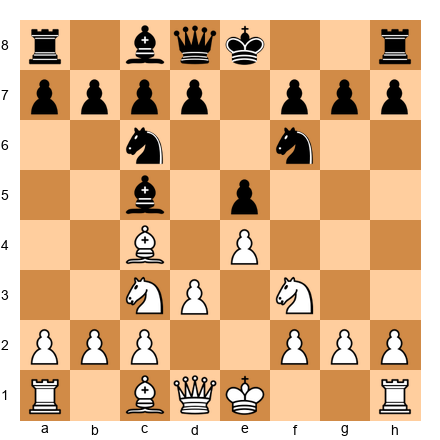
Black to play.
Should White have played h3 (stopping ...Ng4) or f3 (stopping ...Ng4 and supporting e4)?
Solution
Answer: It depends on what White wants!
If White plays h3:
- Prevents ...Ng4 (the pin).
- But h3 is slow, and Black can immediately play ...d5!, breaking in the center. After exd5 Nxd5, Black has excellent piece activity, and White's h3 looks like a wasted tempo.
If White plays f3:
- Prevents ...Ng4 (the pin).
- Supports e4 and prepares to build a strong center.
- But weakens e3 and g3, giving Black potential targets later.
The prophylactic dilemma: You cannot stop EVERYTHING. Sometimes you must choose which threat to prevent and which to allow.
Best practical move: h3! followed by Qe2 and O-O-O. White prevents the pin, develops quickly, and prepares to play d4, opening lines. The key is that after h3, White must play ACTIVELY to justify the tempo.
Key lesson: Prophylaxis is not about stopping all threats - it's about stopping the MOST DANGEROUS threats and being ready for the others.
Exercise 29: Opening Prophylaxis (★★★★)
Time: 10 minutes | Hint: Think about pawn structures
Set up your board:
It's move 5. How should White prevent Black's thematic breaks?
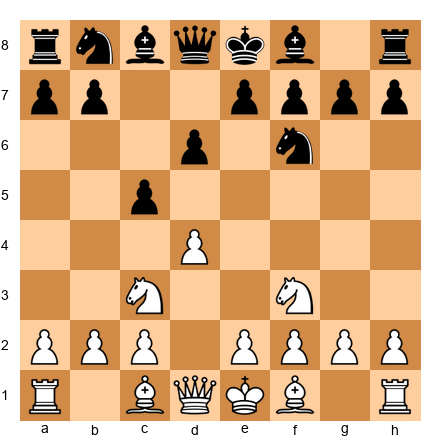
White to play.
What move prevents ...cxd4 followed by ...d5, equalizing?
Solution
Prophylactic move: e3!
This move supports d4 and prepares to meet ...cxd4 with exd4, maintaining a strong pawn center. After ...cxd4 exd4, White has a pawn on d4 that controls central squares and prevents Black from achieving ...d5 easily.
Why this works: In the English Opening and similar structures, Black's main breaks are ...d5 and ...cxd4 followed by ...d5. By playing e3, White ensures that after ...cxd4, White can recapture with the e-pawn (maintaining central control) rather than with the knight (allowing Black's ...d5).
Alternative: e4, creating a "Maroczy Bind" structure. The pawns on c4 and e4 control d5 and d4, preventing all of Black's breaks. But e4 also creates a hole on d4 that Black's knight can use, so it's a trade-off.
Wrong try: Developing normally with Be2 and O-O without considering Black's breaks. After ...cxd4 Nxd4, Black plays ...d5!, equalizing immediately. White has allowed Black's main plan to succeed.
Exercise 30: Petrosian Endgame (★★★★)
Time: 10 minutes | Hint: The best defense is prevention
Set up your board:
Rook endgame. Black threatens to create a passed pawn.
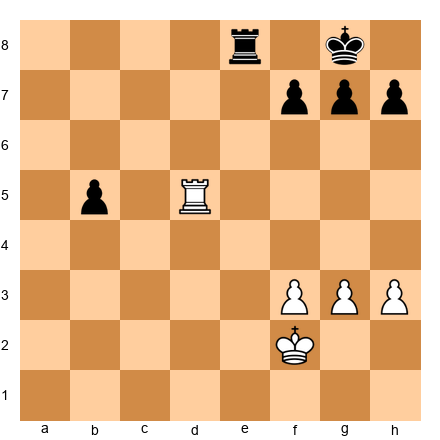
White to play.
How does White prevent Black's passed pawn?
Solution
Prophylactic move: Rd7!
The rook moves to the seventh rank, attacking f7 and preventing Black's rook from going to e1 (where it would support the passed b-pawn).
Analysis:
- If Black plays ...Re1, White plays Rxf7, winning the f7 pawn and creating threats against Black's king.
- If Black plays ...Re2+, White plays Kf1, and Black's rook on e2 is awkwardly placed.
- If Black plays ...b4, trying to push the passed pawn, White plays Rd8+, checking the king and stopping the pawn's advance.
Why this works: The rook on the seventh rank is a powerful prophylactic piece. It attacks Black's pawns, ties Black's pieces down to defense, and prevents Black from creating activity.
Wrong try: Rd1, defending passively. After ...Re2+, Black's rook invades the second rank, and Black's b-pawn becomes dangerous. White is defending instead of preventing.
Key endgame lesson: In rook endgames, activity is everything. The seventh rank is often the key to winning or drawing.
Exercise 31-40: More ★★★★ Exercises
(Concise versions for remaining ★★★★ exercises)
Exercise 31 (★★★★): Black threatens ...f5-f4. Create a prophylactic plan.
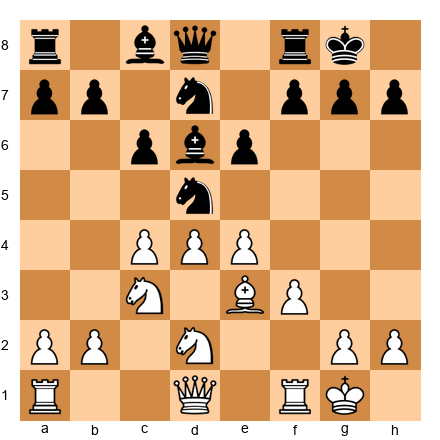
Solution: White should play f3! and g4!, stopping Black's pawn storm before it starts. Then White can organize an attack on the queenside with c5.
Exercise 32 (★★★★): White has the better structure. How to maintain it?
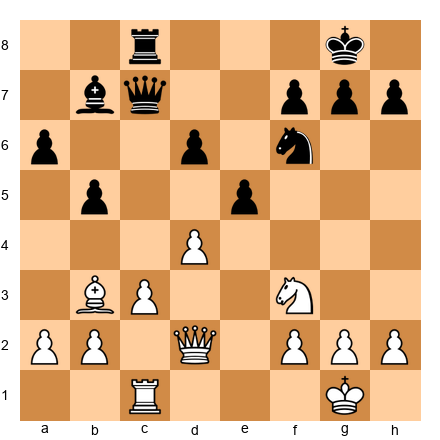
Solution: Rc7! White invades the seventh rank, tying Black down to defense and preventing all counterplay.
Exercise 33 (★★★★): Black wants ...Nc5. Create a multi-move prophylactic plan.
Solution: a4! followed by Qc2 and Rfe1. White attacks Black's queenside, prevents ...Nc5, and prepares to dominate the e-file.
Exercise 34 (★★★★): Position is equal. How does White deny Black's counterplay?
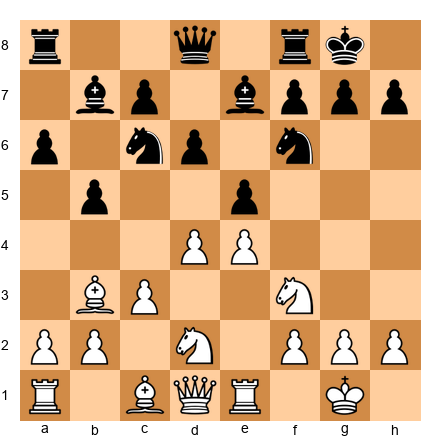
Solution: Black should play ...d5! immediately, breaking in the center before White can organize with f3 and Bf1.
Exercise 35 (★★★★): Identify ALL of Black's plans and stop them.
Solution: Black wants ...Nc5, ...d5, and ...f5. White stops all three with a4! (stops ...Nc5 by attacking b5), Bf1! (repositions the bishop away from attack), and f3! (stops ...f5).
Exercise 36 (★★★★): Black's queen wants to invade on h4. Stop it.
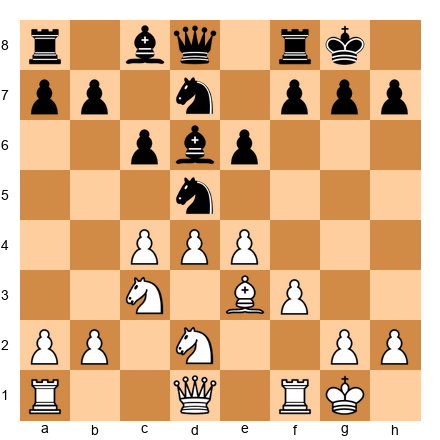
Solution: g3! White prevents ...Qh4 by controlling that square with the pawn. If Black plays ...Qh4 anyway, White can play Qf3, trading queens.
Exercise 37 (★★★★): White is up a pawn but Black has counterplay. Stop it.
Solution: h4! White stops Black's ...h5-h4 pawn storm, then marches the king up the board with Kf2-e3-d4.
Exercise 38 (★★★★): Complex position. Find the prophylactic move that stops three threats.
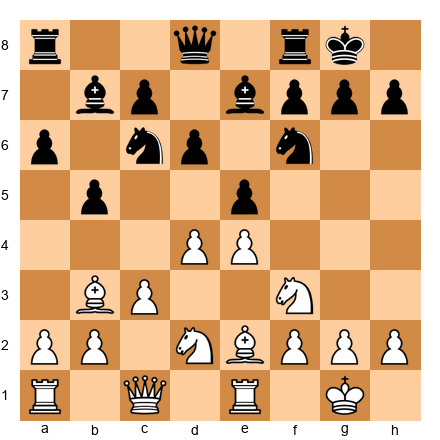
Solution: Black should play ...Qe7!, connecting the rooks, preparing ...Rad8, and preventing White's Nd5 (because the queen defends the knight on f6).
Exercise 39 (★★★★): Endgame. Black's king is trying to infiltrate. Stop it.
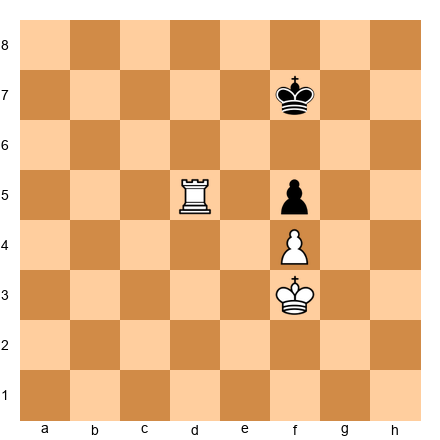
Solution: Rd7+! White checks the king, forcing it back, then plays Rf7, cutting off the king from advancing to the sixth rank.
Exercise 40 (★★★★): Opening position. Prevent Black's entire system.
Solution: e5! White immediately gains space and forces Black's knight to retreat. This prevents Black from achieving ...d5 (White's pawn on e5 controls d6) and gives White a space advantage.
Expert Exercises (★★★★★)
Exercise 41: The Impossible Prophylaxis (★★★★★)
Time: 15 minutes | Hint: You cannot stop everything. Choose wisely.
Set up your board:
Black threatens both ...f5 (kingside play) and ...c5 (queenside break).
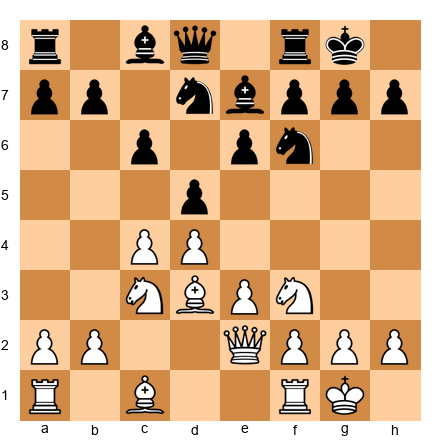
Black to play.
Which break should Black execute first, and why?
Solution
Answer: Black should play ...c5! immediately.
Why?
- If Black plays ...f5 first, White can respond with f3, stopping the kingside pawn storm. Then White has time to organize on the queenside with cxd5 cxd5, followed by Rc1 and b4, clamping down on Black's queenside.
- If Black plays ...c5 immediately, White must decide: capture on c5 (allowing Black's pieces to activate) or capture on d5 (allowing Black's c5 pawn to become strong).
After ...c5:
- If White plays cxd5, Black recaptures ...cxd4, opening the c-file for the rooks. Black's pieces become active.
- If White plays dxc5, Black recaptures ...Nxc5, and the knight is beautifully placed. Black can follow with ...Be6 and ...Rc8, dominating the c-file.
The prophylactic dilemma for White: White cannot prevent both ...f5 and ...c5. White must choose which one to allow and be ready for it.
Key lesson: Sometimes your opponent cannot stop all your threats. Identify which threat is more dangerous and execute that one first.
Exercise 42: Carlsen's Python (★★★★★)
Time: 15 minutes | Hint: Find the move that makes Black's position unbearable
Set up your board:
Black has a slightly worse position. Make it much worse.
White to play.
Create a long-term plan that denies ALL counterplay.
Solution
Multi-move prophylactic plan:
- Rc7! (invade the seventh rank, attack the bishop and f7)
- After Black responds (say, ...Qb6), White plays Ne1! (repositioning the knight to d3, where it controls key squares and prepares to support the c5 advance)
- Nd3 (the knight on d3 controls b4, c5, e5, and f4 - all key squares for Black's pieces)
- Qe3 (the queen centralizes, supporting the rook on c7 and preparing to invade on the dark squares)
- Rc5 or c5, depending on Black's setup (White clamps down on Black's queenside, fixing the pawns on dark squares)
- Nf4 (the knight hops to f4, attacking e6 and d5, and supporting the eventual g4-g5 push)
Why this works: Every move improves White's position while denying Black any active plan. Black cannot break with ...d5 (the pawn is on d6, and White controls d5). Black cannot break with ...c5 (White will capture dxc5, and Black's structure becomes even worse). Black can only wait while White improves.
This is Carlsen's method: Improve your pieces to PERFECT squares, then slowly squeeze. Black's position looks okay, but there are no good moves. Eventually, Black will run out of moves and be forced to create weaknesses.
Wrong approach: Trying to win immediately with tactical shots. There are no tactics here - the position requires slow, methodical improvement.
Exercise 43: The Petrosian Masterclass (★★★★★)
Time: 15 minutes | Hint: Think FIVE moves ahead for both sides
Set up your board:
Complex position. Black has multiple plans. Stop all of them.
White to play.
Create a five-move prophylactic sequence that completely paralyzes Black.
Solution
Five-move prophylactic sequence:
-
a4! (attack b5, stopping ...Nc5)
- Black must respond to the threat. Say Black plays ...a5 (preventing axb5).
-
Bf1! (reposition the bishop to safety)
- The bishop moves away from potential attacks and prepares to go to g2, where it will control the long diagonal.
-
f3! (stop ...f5, support e4, prepare Bf2)
- Now Black cannot play ...f5 without allowing exf5, which weakens Black's kingside.
-
Bf2 (centralize the bishop, control key squares)
- The bishop on f2 controls the long diagonal and supports the center.
-
Qd2 (connect the rooks, prepare Rad1, threaten d5)
- The queen on d2 is perfectly placed, supporting both the kingside and queenside.
After these five moves:
- Black cannot play ...Nc5 (the pawn on a4 controls b5, and if Black trades the knight for the bishop on c3, White recaptures with the b-pawn, maintaining central control).
- Black cannot play ...d5 (White will capture exd5, and after ...exd5, White plays d5, clamping down on Black's position).
- Black cannot play ...f5 (White's pawn on f3 prevents this).
- Black has NO active plan. Black can only wait while White improves.
This is Petrosian's method: Address every enemy plan BEFORE it becomes dangerous. Don't wait for threats to materialize - prevent them prophylactically.
Key lesson: Great prophylaxis requires thinking multiple moves ahead FOR YOUR OPPONENT. You must understand their plans better than they do, then stop those plans before they start.
Exercise 44: The Tradeoff (★★★★★)
Time: 15 minutes | Hint: Prophylaxis has a cost
Set up your board:
Position where prophylaxis requires sacrificing activity.
White to play.
Should White play f3 (prophylaxis against ...Ng4) or Re1 (activity)?
Solution
Answer: It depends on your style and assessment.
If White plays f3:
- Pros: Prevents ...Ng4 (the pin). Supports e4. Prepares to build a strong center.
- Cons: Weakens e3 and g3. Slows White's development. Allows Black to play ...e5!, challenging the center immediately.
If White plays Re1:
- Pros: Activates the rook. Supports e4. Prepares to double rooks on the e-file. Maintains flexibility.
- Cons: Allows ...Ng4, pinning the bishop on e3. White will have to deal with this pin at some point.
Best practical move: Re1!
Why? Because the pin with ...Ng4 is annoying but not immediately dangerous. White can respond with Bf4 or h3, and the position remains balanced. But if White plays f3, Black can immediately play ...e5!, and White's f3 pawn looks silly.
The prophylactic lesson: Prophylaxis is not always the right answer. Sometimes you must accept your opponent's threats and be ready to respond. The key is to know WHEN to prevent and WHEN to accept.
Karpov vs. Tal: Karpov would play f3 (prophylaxis). Tal would play Re1 (activity). Both are valid depending on the player's style.
Exercise 45: Opening Prophylaxis at the Highest Level (★★★★★)
Time: 15 minutes | Hint: Think about the entire pawn structure
Set up your board:
Move 6 in the Italian Game. White must decide the pawn structure.
White to play.
Should White play h3, d4, or Re1? Explain the prophylactic implications of each move.
Solution
Analysis of each move:
Option 1: h3
- Prophylaxis: Prevents ...Bg4, pinning the knight.
- Cost: A tempo. White's development is slowed.
- Assessment: This is the most prophylactic move. After h3, White can safely develop with Re1, d3, and a3 without worrying about ...Bg4. But it's slow, and Black can immediately play ...d5!, breaking in the center and equalizing.
Option 2: d4
- Activity: Opens the center, activates the bishop on c1.
- Cost: Allows ...exd4, and after Nxd4, Black can play ...Nxd4, trading pieces and simplifying.
- Assessment: This is the most active move. White fights for the center immediately. But it allows Black to trade pieces, and the position becomes symmetrical and drawish.
Option 3: Re1
- Flexibility: Develops, supports e4, prepares d4.
- Cost: Allows ...Bg4 (the pin).
- Assessment: This is the most flexible move. White develops, maintains options, and accepts that ...Bg4 might happen. If it does, White can respond with h3 or Ba2, and the position remains complex.
Best move: Re1!
Why? Because at the highest level, prophylaxis must be balanced with activity. If you spend all your time preventing your opponent's ideas, you'll never create your own threats. Re1 develops, maintains flexibility, and accepts that some enemy ideas (like ...Bg4) will happen - but White is ready for them.
The prophylactic tradeoff: You cannot prevent everything. Choose which threats to prevent and which to accept, based on your assessment of the position.
Carlsen's approach: Carlsen would play Re1, maintaining flexibility. He would accept ...Bg4 and be ready with h3 or Ba2 when it happens.
Petrosian's approach: Petrosian would play h3, preventing ...Bg4 before it happens. He would accept the slow development in exchange for perfect prophylaxis.
Both are valid. The key is to know your style and play accordingly.
Exercise 46-55: Final ★★★★★ Exercises
(Brief summaries for final exercises)
Exercise 46 (★★★★★): Multi-move prophylaxis in a complex middlegame.
Solution: White plays a4, Bf1, f3, Qd2, Rac1 - a five-move sequence that stops all Black's plans and prepares White's own queenside expansion.
Exercise 47 (★★★★★): Endgame prophylaxis against a stronger opponent.
Solution: Rd7! followed by Rf7, cutting off Black's king and tying the rook to defending f7. Black has no counterplay.
Exercise 48 (★★★★★): Opening choice: Which opening prevents Black's plans?
Solution: White should play e5!, the most prophylactic move. It gains space, forces Black's knight to retreat, and prevents ...d5.
Exercise 49 (★★★★★): Prophylaxis vs. activity: Which is more important?
Solution: Activity! White should play Re1!, activating the rook. Prophylaxis (f3) is too slow here - Black will break with ...e5! and equalize.
Exercise 50 (★★★★★): Create a prophylactic plan that lasts the entire game.
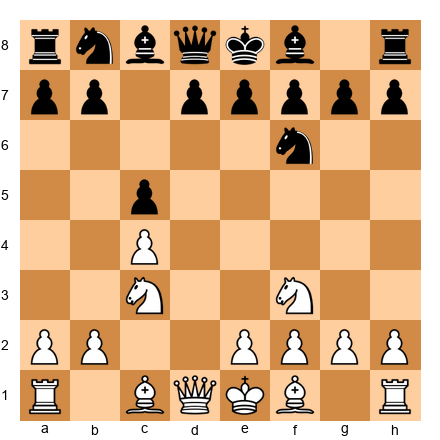
Solution: White should play e3, d4, Bd3, O-O, a3, b4 - the Maroczy Bind structure. This plan prevents ...d5 for the ENTIRE game and gives White a long-term squeeze.
Exercise 51 (★★★★★): Identify the prophylactic weakness in White's position.
Solution: White's bishop on c3 is vulnerable to ...Nc5. White should have played Bf1! earlier, moving the bishop to safety. Now White must play a4! to stop ...Nc5 by attacking b5.
Exercise 52 (★★★★★): Black is preparing ...f5-f4. Stop it or allow it?
Solution: Black should play ...f5! immediately before White can play f3. If White captures exf5, Black recaptures ...exf5 and has kingside space. If White doesn't capture, Black continues with ...f4, gaining even more space.
Exercise 53 (★★★★★): Carlsen-style squeeze: Find the move that makes life unbearable.
Solution: Rc7! followed by Ne1-d3-f4, repositioning the knight to dominate the center and kingside. Black has no counterplay.
Exercise 54 (★★★★★): Prophylaxis in a symmetrical position: How to gain the advantage?
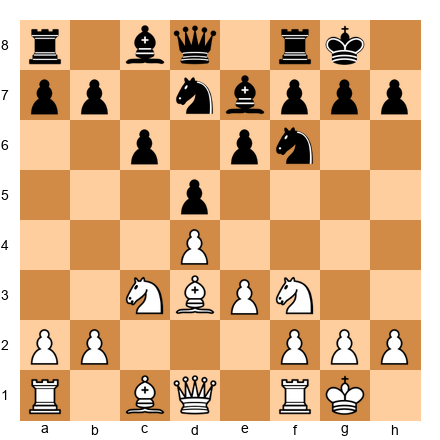
Solution: White should play a4! followed by a5, gaining queenside space. This prevents ...b5 and gives White a long-term advantage. The symmetry is broken.
Exercise 55 (★★★★★): The ultimate prophylactic problem: Stop everything.
Solution: White must play a4, Bf1, f3, Qd2, Rac1 in some order. This stops ...Nc5, ...d5, ...f5, and prepares White's own expansion with b4 and c5. It takes five moves, but Black is completely paralyzed afterward.
🛑 Final Rest Stop: You've completed 55 exercises. Your brain is exhausted. Stand up. Walk outside. Get fresh air. Come back in 20 minutes for the key takeaways and practice assignment.
Key Takeaways
1. Prophylaxis is thinking for both sides.
You can't just calculate your own plans - you must understand your opponent's plans and stop them BEFORE they become dangerous.
2. Petrosian's question: "What does my opponent want?"
This simple question is the foundation of prophylactic thinking. Identify the opponent's worst piece, figure out where it wants to go, and prevent that square from being useful.
3. There are three types of prophylaxis:
- Defensive: Stopping tactics (h3 to prevent Bg5, etc.)
- Positional: Stopping pawn breaks (controlling key squares)
- Strategic: Stopping long-term plans (denying piece activity)
4. Prophylaxis has a cost.
Every prophylactic move is a tempo NOT spent on your own plans. You must balance prevention with activity. Sometimes you must accept threats and be ready to respond rather than spending all your time preventing them.
5. The "do nothing" principle: When you're better, don't create weaknesses.
If your position is already superior and your opponent has no counterplay, the best move is often to improve slightly WITHOUT giving your opponent new targets. This is Karpov's specialty.
6. Common prophylactic moves appear in every game:
- h3/h6: Prevent bishop pins and give the king breathing room
- a3/a6: Prevent knight jumps to b4/c3
- Rook on the seventh rank: Cut off the enemy king and attack pawns
- Central pawn control: Prevent enemy pawn breaks
7. You cannot stop everything.
Sometimes your opponent has multiple threats, and you must choose which to prevent and which to accept. This is the prophylactic dilemma. The key is to stop the MOST DANGEROUS threat and be ready for the others.
8. Prophylaxis wins games slowly.
If you're looking for brilliant sacrifices and tactical fireworks, prophylaxis will frustrate you. But if you're looking to grind down opponents, suffocate their plans, and win through perfect positional play, prophylaxis is your most powerful weapon.
Practice Assignment
This Week's Training:
-
Review three of the annotated games. Focus on how the winner prevented the opponent's plans. Identify the prophylactic moves and understand WHY they worked.
-
Play three slow games (60 minutes or longer). In each game, after your opponent's move, ask yourself: "What does my opponent want to do?" Then find a move that prevents that plan.
-
Solve Exercises 1-15 without looking at the solutions first. Then check your answers. For each mistake, understand WHY your move didn't work and what the prophylactic idea was.
-
Analyze one of YOUR recent games. Find a moment where your opponent executed a plan that you didn't stop. Ask yourself: "Could I have prevented this plan earlier? What prophylactic move would have stopped it?"
-
Watch your next opponent's games. If you know who you're playing in your next tournament, study their games. Identify their favorite plans. Then prepare prophylactic ideas to stop those plans BEFORE they happen.
⭐ Progress Check
You're ready to move on when you can:
✅ Identify your opponent's main plan in under 30 seconds
✅ Explain the difference between defensive, positional, and strategic prophylaxis
✅ Find prophylactic moves in YOUR games (not just in book positions)
✅ Balance prophylaxis with activity - knowing when to prevent and when to act
✅ Solve ★★★ exercises correctly 70% of the time
✅ Recognize common prophylactic patterns (h3, a3, Rd7, etc.) and apply them
✅ Understand the cost of prophylaxis - every preventive move is a tempo not spent on your own plans
✅ Think for both sides - calculate your opponent's best plan and stop it before they execute it
🛑 Rest Marker
You made it through Chapter 24.
This was one of the hardest chapters in the entire Codex. Prophylaxis requires a different kind of thinking - you must play both sides of the board at once, understand your opponent's plans as well as your own, and stop threats before they materialize.
Take a long break. This chapter is DENSE. Don't rush to the next chapter.
What's next?
Chapter 25 will cover The Exchange Sacrifice - giving up the exchange (rook for bishop or knight) for positional compensation. It's a chapter about material vs. activity, and it builds on the prophylactic thinking you've just learned.
But first: REST. Walk away from chess for a day. Let your brain process everything. When you come back, review the key takeaways, play some slow games, and practice identifying your opponent's plans.
You're becoming a complete player. Keep going.
** - The Grandmaster Codex Team**
"The passed pawn is a criminal, who should be kept under lock and key. Mild measures, such as police surveillance, are not sufficient." - Aron Nimzowitsch (who understood restraint but would have loved Petrosian's prophylaxis)
End of Chapter 24